
Texas Brains is a creative design and digital growth agency built for founders who don’t want just a logo or just a website; they want a brand that scales, converts, and dominates attention.
Who: Georgia business owners, startups, and entrepreneurs deciding on mobile app development.
What: A strategic comparison of launching your app on iOS versus Android first.
Why: Platform choice impacts development costs, time-to-market, and high-quality lead generation.
How: Analyze user demographics, revenue goals, and monetization models to reduce business risks.
Outcome: Pick the right initial platform to optimize your launch and maximize ROI
Choosing the right mobile operating systems first determines how efficiently you can validate your product, manage your app development budget, and acquire your first users. Launching on the wrong platform causes massive resource drain, delayed revenue, and potential project failure for local startups.
Your choice of mobile app development platforms directly impacts your initial software budget. Building for a single ecosystem reduces immediate expenses, while attempting a dual-platform launch frequently doubles your engineering and design costs right when your business needs to stay lean.
App platform selection influences how quickly you can get your digital product into the hands of customers. Navigating a single set of deployment guidelines accelerates your release timeline, allowing you to establish a market presence before competitors can catch up.
A successful mobile app strategy depends entirely on target audience analysis. Aligning your initial release with the specific devices, purchasing behaviors, and tech preferences of your core demographics ensures higher initial engagement and much stronger retention rates.
The fundamental differences between iOS and Android lie in their market distribution, user monetization potential, ecosystem fragmentation, and the strictness of store guidelines. While Android dominates global volume, iOS commands premium user spending, requiring distinct approaches to high-quality lead generation.
Android users make up the vast majority of global mobile users, providing massive top-of-funnel reach. However, iOS users traditionally exhibit much higher brand loyalty and an increased willingness to pay for premium services or in-app purchases.
Apple maintains absolute control over its hardware, resulting in a streamlined, highly uniform device ecosystem. Conversely, the Android market is highly fragmented across thousands of unique devices, screen sizes, processor capabilities, and custom manufacturer skins.
The Apple App Store employs a rigorous, often tedious review process that prioritizes absolute security and privacy, but yields higher visibility. The Google Play Store offers a more flexible app distribution environment with faster automated approval times.
iOS development primarily relies on Swift and uses Xcode in a highly controlled environment. Android app development leverages Kotlin or Java inside Android Studio, which requires adapting code to handle diverse hardware capabilities across various price tiers.

Building an iOS app first gives Georgia businesses a faster development lifecycle, lower initial testing fragmentation, and direct access to a highly profitable demographic. It serves as an exceptional testing ground for nurturing leads into customers who appreciate premium digital experiences.
iPhone app development is generally faster because engineers only design for a handful of standardized screen layouts. This predictability eliminates the need to write complex responsive code variations, significantly reducing timeline delays and coding overhead.
The Apple ecosystem is the premier choice for direct mobile app monetization. Multiple industry reports from platforms like Statista show that iOS users routinely spend more on subscriptions, premium downloads, and digital retail transactions than their Android counterparts.
iOS app benefits include inheriting Apple’s gold-standard reputation for data security and user privacy. For startups handling sensitive user information, this built-in trust helps bypass major consumer skepticism, driving quicker adoption rates.
Because the target device list is limited, quality assurance teams can easily test performance across all active iPhone models. This ensures a flawless, crash-free launch that preserves your brand identity right out of the gate.
Building an Android app first offers unmatched global scale, deep customization freedom, and rapid deployment cycles that favor iterative testing. It is the ideal path when your intent-based marketing relies on capturing massive volume across diverse consumer segments.
The staggering Android market share provides a direct line to billions of active global mobile users. If your business model requires widespread ad views, massive user volume, or rapid network-effect growth, Android provides the necessary reach.
Android app development allows your business to live on everything from budget-friendly smartphones to ultra-premium flagship devices. This massive diversity allows you to tailor your market penetration across varying economic classes and specialized hardware.
The Google Play Store allows developers to push updates, hotfixes, and experimental betas to users within hours. This flexibility lets your product team iterate rapidly based on real-time funnel analytics and tracking data.
If your long-term expansion plans involve international scaling, Android is the undisputed king in emerging markets. Regions across Latin America, Asia, and Africa are overwhelmingly dominated by Android infrastructure. Ready to bring your digital storefront to life? Texas Brains has helped brands across Dallas, Houston, and Austin build digital solutions that actually scale. Ready to be next? Let’s talk.
Before finalizing your app development strategy, you must evaluate your specific target demographics, available funding, geographic reach, and monetization models. Skipping this foundational research leads to severe drop-off rates and wasted engineering capital.
Analyze the exact tech habits of your audience. Are you targeting corporate professionals who predominantly use iPhones, or a broader consumer base that leans heavily toward Android devices? Your user demographics must dictate your roadmap.
Your immediate app development budget determines your scope. While iOS may require fewer hours for optimization, Android might require extensive testing buffers. Budget constraints should push you toward a single, highly refined platform launch.
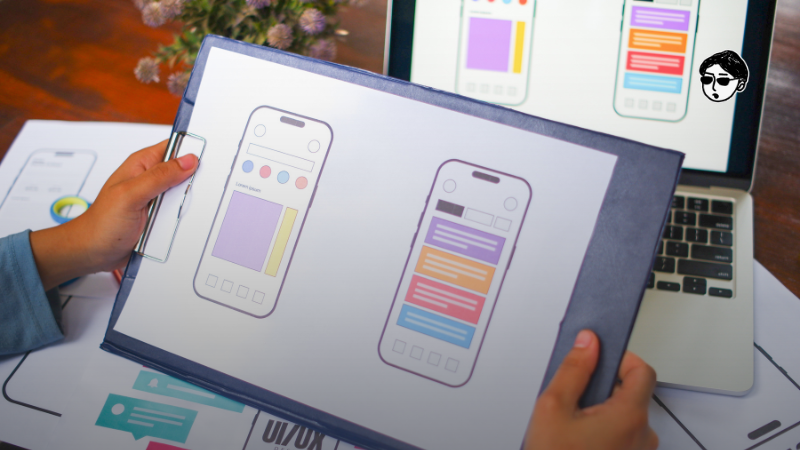
Geographic concentration matters immensely. While Android rules globally, major metropolitan areas in the United States, including corporate hubs across Texas and Georgia, maintain dense concentrations of high-income iOS users.
If your goal is immediate revenue through subscriptions or premium transactions, choose the platform with historically higher consumer spending. If you plan to monetize through data, ads, or high-volume partnerships, prioritize user volume.
Apps requiring deep integration with specific hardware, camera components, or background processing require careful evaluation. Apple offers tight, predictable hardware integration, while Android provides open-source freedom to customize core system functions.
| Cost Factor | iOS (Apple Ecosystem) | Android (Google Ecosystem) |
| Initial Coding Hours | Lower (Standardized code) | Higher (Device adjustments) |
| Testing & QA Buffer | Minimal (Few active devices) | Extensive (Device fragmentation) |
| Design Compliance | Strict (Human Interface Guidelines) | Flexible (Material Design) |
| Store Launch Fees | $99 Annual Developer Fee | $25 One-Time Registration Fee |
Initial development pricing varies based on the hours spent troubleshooting layout issues. While code complexity is similar, Android’s need for responsive adaptation across multiple aspect ratios can sometimes stretch development hours.
Apple’s strict design guidelines force clean, high-end user experiences but limit radical interface experimentation. Android’s Material Design provides immense layout flexibility, though it requires extra vigilance to prevent visual bugs on older devices.
Long-term app maintenance expenses are heavily influenced by platform updates. iOS users upgrade their software almost instantly, meaning you only support recent OS versions. Android requires ongoing support for legacy operating systems.
A clean revenue attribution model requires a scalable codebase. Building natively on either platform allows you to utilize platform-specific updates seamlessly, minimizing code refactoring costs as your business expands.
For most startups, launching a Minimum Viable Product (MVP) on a single platform is the smartest way to achieve product validation while minimizing financial risk. It lets you gather user feedback, test your value proposition, and optimize retention before spending capital on a secondary launch.
Launching an MVP on iOS is the traditional route for software startups looking to attract premium, highly engaged users. The streamlined development process allows you to deploy fast, run clean split-tests, and gather reliable data on user monetization.
An Android MVP is highly effective if your application relies on unique hardware integrations, Bluetooth components, or specific background processes. It also works beautifully if your target audience is concentrated in blue-collar or high-volume consumer sectors.
Using frameworks like Flutter or React Native allows you to write one codebase that deploys to both stores. This makes absolute sense for standard content apps, e-commerce storefronts, and business directories that don’t rely on complex native device features.
By focusing heavily on call-to-action optimization on just one platform, you protect your runway. Validate your user retention and complete your personalized marketing funnels before scaling to avoid maintaining two buggy apps simultaneously.
Your specific business niche should heavily weigh on your mobile app strategy. Different consumer sectors show strong, distinct platform biases that directly impact user acquisition costs and customer lifetime value.
Retail apps almost always favor an initial iOS launch due to integrated Apple Pay usage and higher shopping cart averages. However, a secondary Android app is necessary to capture broader market segments once your brand scales.
Healthcare applications require absolute data security and strict compliance. Apple’s tightly locked ecosystem makes it an attractive starting point for securing patient trust, though widespread deployment requires Android access for accessibility.
Fintech apps rely on biometric security, instant notifications, and highly stable code. While iOS provides an ultra-secure environment for premium accounts, Android is vital for building inclusive, mass-market digital banking solutions.
Social media apps live and die by network density and user volume. While iOS is excellent for onboarding design-conscious creators and influencers, cross-platform or rapid Android deployment is necessary to build a massive global community.
Apps for ride-sharing, food delivery, or home services require dual-platform availability relatively early. While your affluent customers ordering the services often use iOS, the service providers and drivers frequently rely on affordable Android devices.
The technical foundation of your mobile application dictates your long-term maintenance costs, performance metrics, and feature availability. You must balance the flawless execution of native builds against the cost savings of cross-platform frameworks.
Native iOS development yields unmatched execution speed, fluid animations, and seamless integration with Apple hardware features like FaceID. This ensures your high-end users enjoy a premium, lag-free experience.
Native Android builds give developers unrestricted access to system-level APIs, file directories, and background tasks. This is essential for complex utility apps, custom widgets, and software that connects heavily with external hardware.
Cross-platform development using Flutter or React Native saves significant capital by utilizing a single engineering team. For standard corporate, real estate, or retail apps, these frameworks provide near-native performance at a fraction of the cost.
While native apps deliver maximum responsiveness for gaming or heavy data-processing, they carry double the long-term upkeep costs. Cross-platform frameworks reduce initial development expenses by up to 40%, offering massive cost-efficiency for early-stage companies.
Many business owners rely on assumptions rather than concrete data when launching digital products, resulting in low adoption and poor retention. Avoid these critical pitfalls to protect your digital investment and maximize your market impact.
Never build an app simply because you or your team use a specific smartphone. Base your launch entirely on deep audience research, verifying exactly which devices your local market prospects carry.
Failing to account for income levels, age brackets, and profession-specific tech habits leads to mismatched product positioning. Align your monetization strategy with the verified spending patterns of your chosen platform’s user base.
Selecting a platform solely because the initial quote seems cheaper is a recipe for disaster. Low upfront costs can quickly turn into massive long-term losses if the platform fails to connect with your paying audience.
Failing to architecture your product for eventual multi-platform deployment forces complete code rewrites later. Even when building for one platform first, keep your API endpoints and design structures modular for easy porting.
The decision comes down to your primary business objective: build for iOS first if you want to target high-income consumers, maximize transactional revenue, and validate your product quickly. Choose Android first if your model relies on high user volume, ad monetization, or specific geographic regions.
iOS is the undisputed winner when your target audience is based in the US, has higher disposable income, and you want to build a premium brand image with a fast, highly secure MVP launch.
Android is the superior option if your application targets global markets, requires custom system integrations, or is designed for demographic segments where Android device ownership is dominant.
To achieve true market leadership and maximize your revenue potential, a dual presence is inevitable. Starting with one platform allows you to perfect your retargeting and remarketing strategies, ensuring your secondary launch is highly optimized and profitable. You’ve read the guide. Now let’s build your app. Get a custom mobile development strategy from Texas Brains—no pressure, just clarity. Schedule your free call today.
This article is for informational purposes. Results may vary based on your specific business goals, target market, and software architecture.
Pricing estimates are based on 2026 market averages in San Francisco and Texas and are subject to change based on specific project requirements.
We help you grow your personal brand with a clear strategy, smart SEO, and marketing that brings real people, not just traffic.
App development costs vary based on complexity, native vs cross-platform architecture, and feature sets. A single-platform MVP typically ranges from $20,000 to $50,000, while complex enterprise applications requiring deep database integrations can exceed $100,000.
iOS is historically easier to monetize for retail and e-commerce. Apple users show significantly higher average transaction values and are much more likely to adopt digital payment methods like Apple Pay, making it highly effective for fast revenue generation.
Yes, by using cross-platform frameworks like Flutter or React Native. This approach allows a single development team to deploy your app to both storefronts from one shared codebase, reducing overall development expenses by roughly 30-40%.
Google Play typically approves applications within 1 to 3 days using automated scanning filters. The Apple App Store employs human reviewers to verify strict security and privacy standards, which generally takes 2 to 5 days, though it can take longer if compliance issues arise.
Absolutely. A website is critical for organic local SEO, brand discoverability, and driving top-of-funnel traffic to your app download links. Your website acts as the primary authority signal that feeds search engine results and AI platforms.

we specialize in designing and developing high-performance mobile applications that go beyond functionality. Our apps combine intuitive user experiences, robust security, and scalable a
we specialize in designing and developing high-performance mobile applications that go beyond functionality. Our apps combine intuitive user experiences, robust security, and scalable a
we specialize in designing and developing high-performance mobile applications that go beyond functionality. Our apps combine intuitive user experiences, robust security, and scalable a
We help you grow your personal brand with a clear strategy, smart SEO, and marketing that brings real people, not just traffic.
Let’s exchange ideas
Worth a quick conversation
Build it properly
We offer a full suite of digital marketing services, including SEO (Search Engine Optimization), SEM/PPC, social media marketing, content marketing, email marketing, CRO (Conversion Rate Optimization), and analytics reporting, all tailored to your business goals and target audience.
Pricing depends on your goals, industry, scope of work, and budget. After a free initial consultation, we’ll provide a custom quote with transparent costs, including what’s included and any optional add-ons. Many clients choose monthly retainers or campaign-based pricing models that align with their growth strategy.
Measurable traffic and leads can be seen within weeks through paid ads and PPC, while SEO and organic growth typically show meaningful results within 3–6 months. Content and social strategies begin building engagement and authority in the first few months and continue to scale over time.
We track key performance indicators (KPIs) like click-through rate (CTR), conversions, cost per acquisition (CPA), ROI, organic traffic growth, and engagement metrics, all visible through regular reporting dashboards and data reviews.
Yes, transparency is a core part of our service. You’ll get scheduled reports, performance summaries, and regular check-ins with a dedicated strategist to review campaign performance and strategy adjustments.
We start with a strategy session and audit to understand your goals, audience, and competitive landscape. Based on that, we recommend a mix of services that will maximize growth, whether it’s SEO to build long-term traffic, PPC for immediate leads, or a combined multi-channel approach.
We will reply to you as soon as possible
We will reply to you as soon as possible
Fill out the profile form to instantly unlock the calendar dates and timings.
Select your preferred slot from our active business schedules below.
Please pick a date first.